Developing next-generation immunotherapies for chemotherapy–immunotherapy resistant breast cancer
Treatment-resistant breast cancer, particularly chemotherapy–immunotherapy resistant triple-negative breast cancer (TNBC), remains a major obstacle to curative outcomes. While tumour-intrinsic mechanisms have been widely studied, the tumour immune microenvironment (TIME) is now recognised as a key driver of immune escape and therapeutic failure. As part of the Breast Cancer Now King’s College London Quinquennial Research Programme (2025–2030), we work in close collaboration with partners across KCL’s and the ICR to systematically interrogate the TIME in patients with residual disease following neoadjuvant chemo-immunotherapy (NACT-IO). Our goal is to uncover the biological processes underpinning effective and ineffective immune responses by comparing those who achieve pathological complete response (pCR) with those who do not.
This discovery work forms the foundation for the tandem development of next-generation immunotherapies, including:
Chimeric antigen receptor (CAR) T-cell therapies (In collaboration with Dr John Maher),
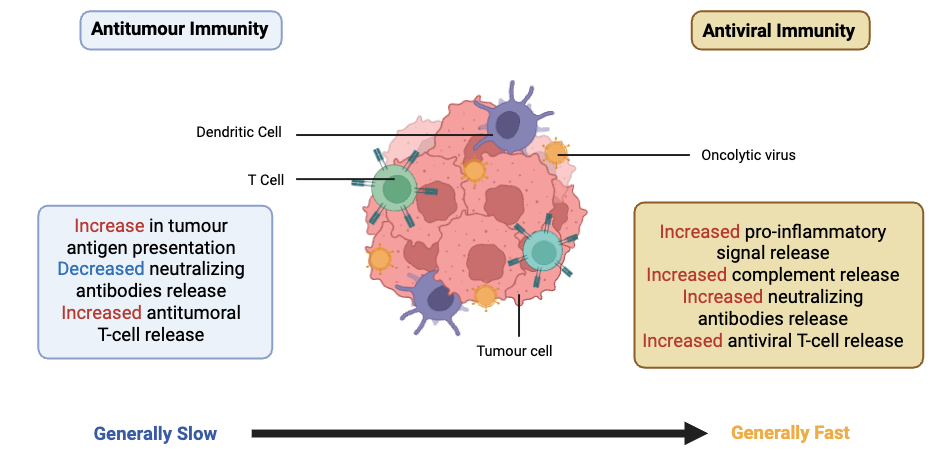
Oncolytic viral therapies (In collaboration with Prof Richard Vile)
Fc-engineered therapeutic antibodies (In collaboration with Prof Sophia Karagiannis).
We are also developing a strategy to support future antigen-targeted immunotherapies through the integration of multi-modal profiling approaches, supported by CRUK